Explanation by Dr. Ali Nemati
Treatment of lumbar disc herniation depends on symptom severity, pain level, and functional impairment. The type and extent of disc herniation determine the appropriate therapy:
________________________________________
1. Mild Disc Herniation
• Pain may occur after daily activities.
• Short-term rest (1–2 weeks) and reduced pressure on the back can relieve pain and prevent worsening.
• Light exercises, such as walking in a pool up to chest level, are very effective.
________________________________________
2. Moderate Disc Herniation
• Requires more rest and careful monitoring than mild cases.
• Pain medications can help, but using medication alone without rest and proper movement may worsen disc herniation.
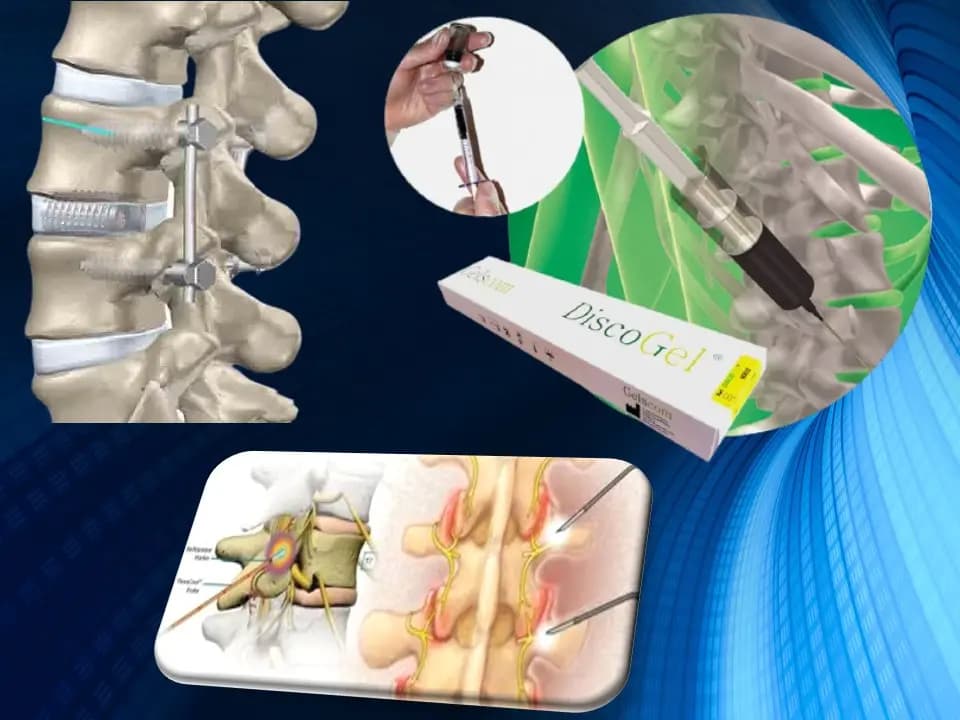
• If pain persists, minimally invasive procedures are recommended:
o RF (laser) for painful joints and removal of pain-causing nerves
o Intra-spinal injections to relieve shooting pain
o Discogel injection to reduce disc pressure on the spinal cord, reducing pain up to 70%
All procedures are performed under CT scan guidance to ensure precision and safety.
________________________________________
3. Severe Disc Herniation
• The only effective treatment is open surgery.
• Surgery can rapidly relieve leg pain and reduce back pain.
• Delaying surgery in severe cases with muscle weakness is dangerous and reduces the chance of recovery of motor function (e.g., foot drop or urinary/fecal incontinence).
• If disc herniation is accompanied by vertebral slippage, spinal fixation with screws may be required.
________________________________________
Summary
• Mild: rest, light activity, gentle exercises
• Moderate: rest, pain medication, minimally invasive procedures
• Severe: immediate open surgery, fixation if necessary
Goal: Reduce pain, maintain daily function, and prevent permanent nerve and muscle damage.