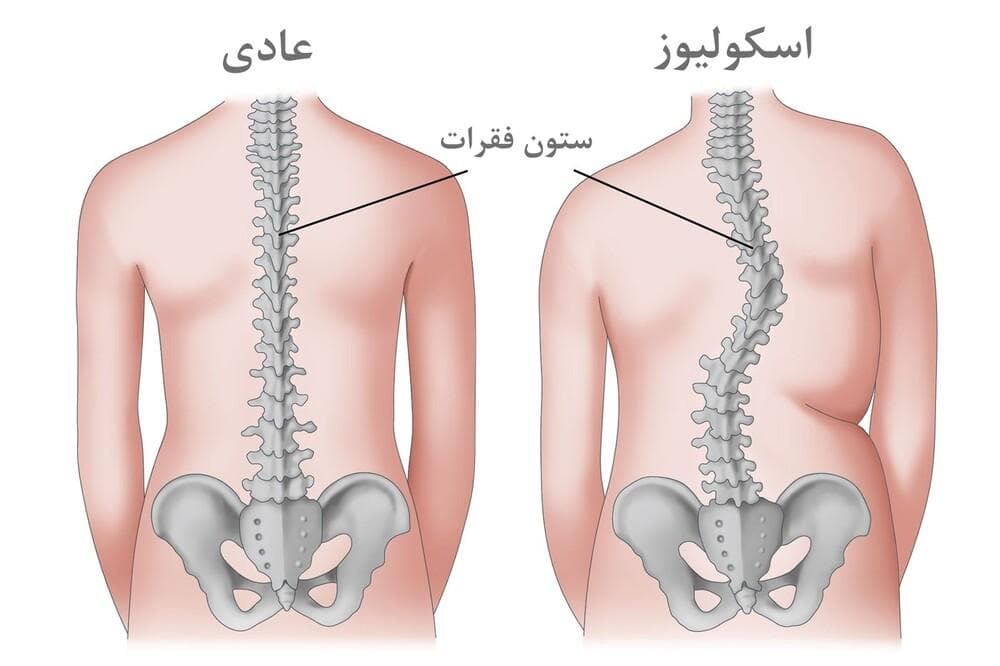
What is Congenital Scoliosis?
Congenital scoliosis is a type of spinal development abnormality present at birth. This condition is caused by defects in the normal development of the vertebrae during fetal growth. Here is an explanation of congenital scoliosis:
Characteristics and Causes
1. Structural Defects: In congenital scoliosis, the vertebrae may be malformed or present in abnormal numbers. These anomalies can include:
o Vertebral malformations: Vertebrae may develop abnormally, such as being underdeveloped or irregularly shaped.
o Fusion of vertebrae: In some cases, two or more vertebrae may fuse together, forming a single, abnormal structure.
2. Cause of Curvature: Due to these defects, the spine can curve to the left or right, leading to scoliosis.
3. Severity: The intensity of scoliosis can vary; some individuals have mild curvature with no impact on function, while others may have severe curves that require treatment.
Symptoms
• Spinal curvature: In appearance, shoulders or hips may appear uneven.
• Asymmetry in the body: The chest or body might lean to one side.
• Pain: In severe cases, individuals may experience back or neck pain.
Treatment
Treatment depends on the severity of the curvature and the patient’s age:
• Observation: For mild curves, no specific treatment may be necessary; close monitoring might suffice.
• Bracing: In some cases, wearing a brace is recommended to prevent the progression of the curve.
• Surgery: Severe cases may require surgery to correct the deformity and prevent further complications.
Conclusion
Congenital scoliosis can be associated with various symptoms and may require detailed evaluation and possibly specialized treatment. If you have concerns about this condition or need further assessment, consulting a specialist in spinal issues is recommended.